
What is diabetes?
Diabetes is a condition in which blood glucose levels remain higher than the normal range because the body does not produce enough insulin, does not use insulin effectively, or both.
There are different types of diabetes, and management depends on the type and individual health circumstances.
Common symptoms
Some people with diabetes may experience increased thirst, frequent urination, increased hunger, unexplained weight changes, tiredness or blurred vision.
However, some people may have few or no noticeable symptoms, particularly in the earlier stages. This is one reason regular health assessments can be important.
Who may be at higher risk?
Risk can be influenced by factors such as family history, age, body weight, physical inactivity and certain previous health conditions.
Your healthcare professional can help determine whether diabetes screening is appropriate for you.
Supporting healthy blood sugar levels
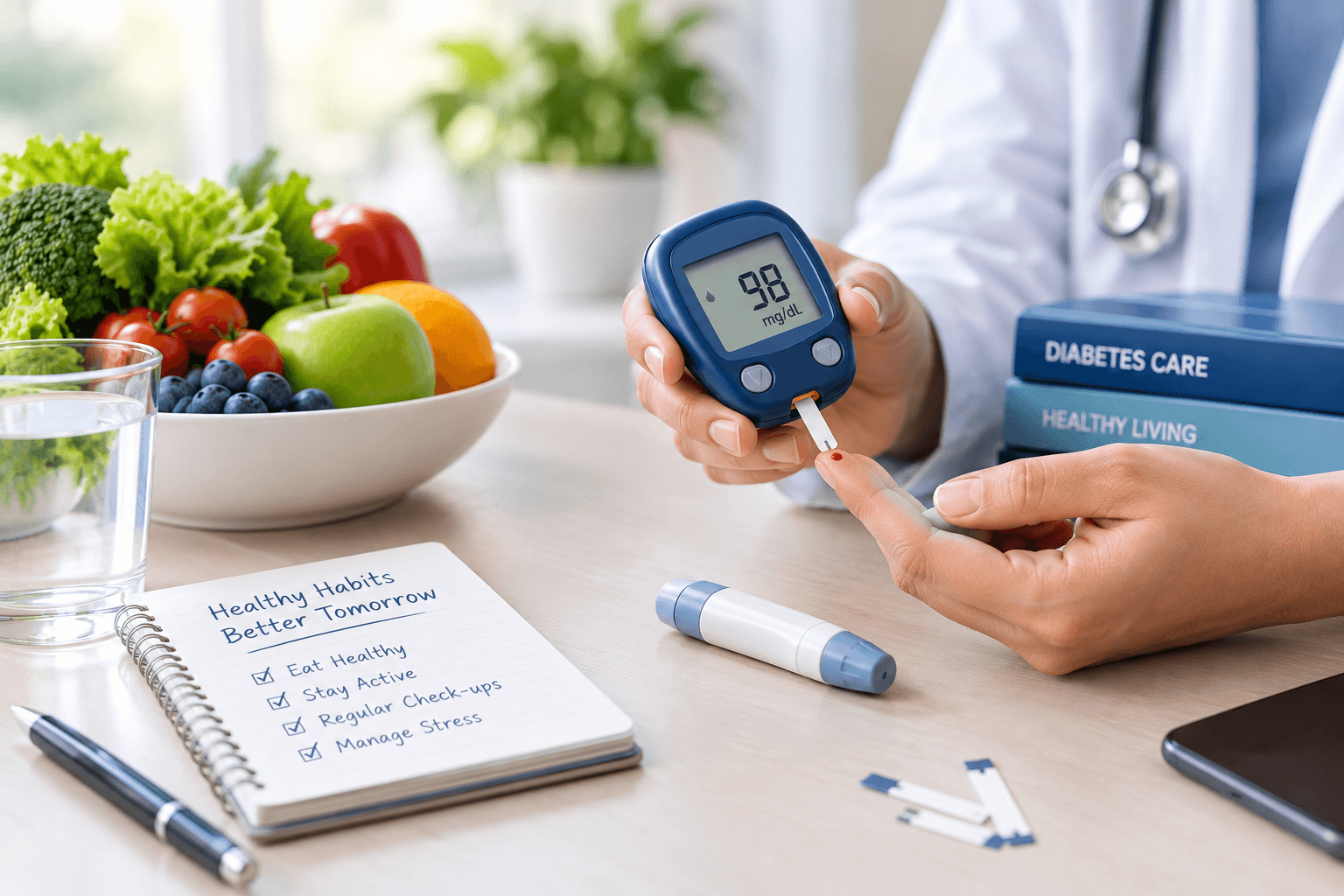
Regular physical activity, a balanced eating pattern, maintaining a healthy weight and following medical advice can all be part of diabetes prevention or management.
People who have already been diagnosed with diabetes should follow the treatment and monitoring plan recommended by their healthcare professional.
When should you speak to a doctor?
If you notice persistent symptoms associated with high blood sugar or have risk factors for diabetes, consider discussing them with a healthcare professional.
Medical Information
This article is intended for general health education and does not replace professional medical advice, diagnosis or treatment. Please consult a qualified healthcare professional for advice specific to your health and circumstances.
Need medical advice?
Talk to our healthcare team.
If you have concerns about your health, our specialists can help you understand your symptoms and discuss the appropriate next steps for your care.
Book an Appointment